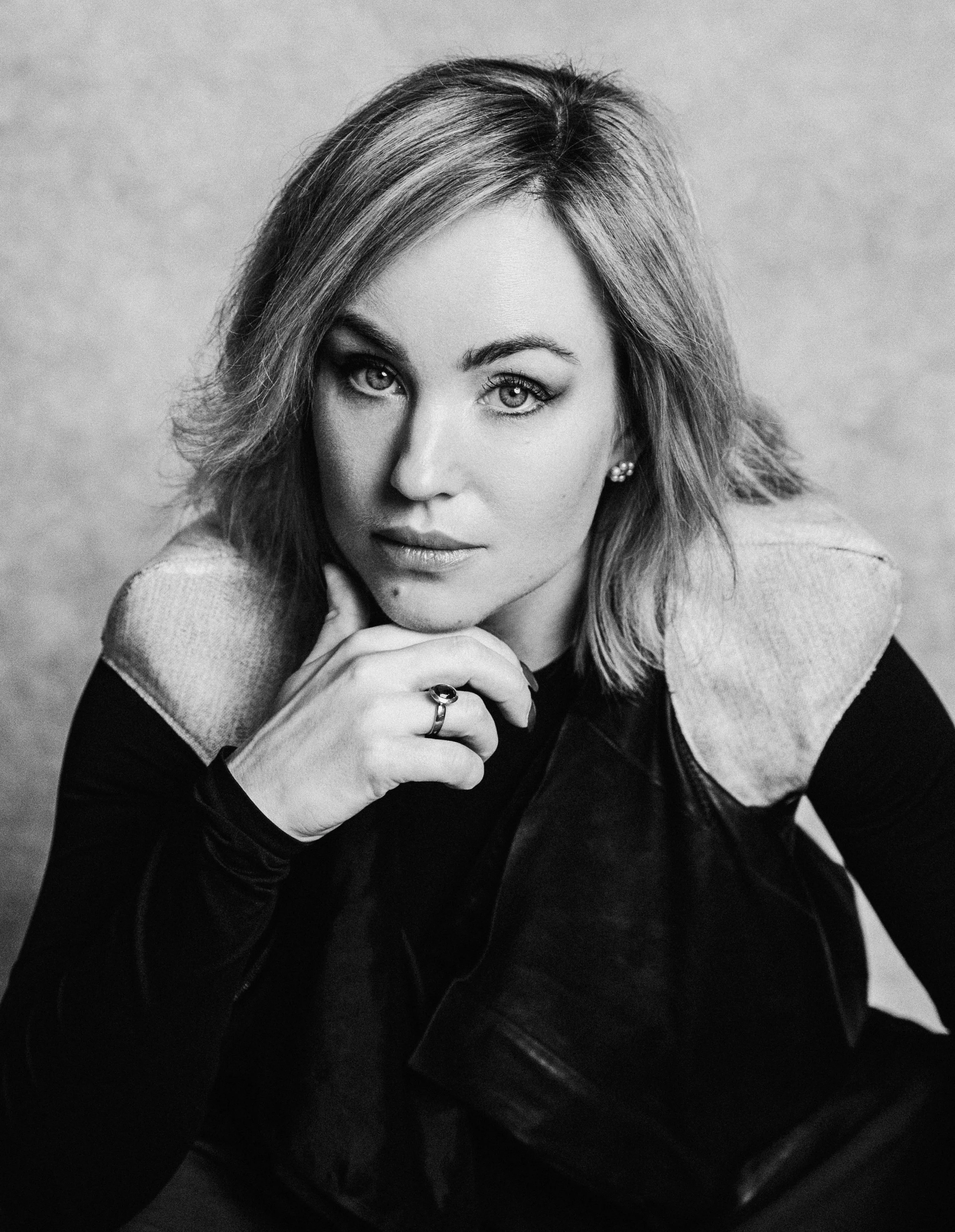
Olga Hilgers is a contemporary artist, author, and the founder of Art Intelligence Institute and creator of the Art Intelligence framework, which translates artistic practices of perception into practical tools for leadership, decision-making, and innovation.
Her perspective is shaped by two distinct professional worlds. After studying economics, she spent a decade working in international business across Europe and Asia. She then devoted the following decade to developing her practice as a contemporary artist.
Moving between business and art led her to recognize a fundamental distinction: analysis processes what is already visible, while perception shapes what becomes visible in the first place.
Through Art Intelligence, Olga translates capabilities developed through artistic practice into a contemporary framework for leadership, judgment, innovation, and decision-making in the age of AI.
She is the author of Art Intelligence: How Artists See What Others Miss.
About the Author
Artist. Author. Creator of Art Intelligence.
Why I Created Art Intelligence
For many years, I believed that better decisions came from better information.
I was trained to analyze, optimize, and solve problems through logic. I studied economics, built an international business career, and learned to navigate complexity through data, frameworks, and strategy.
Art taught me something different.
People often assume that artists spend years learning how to paint. In reality, they spend years learning how to see: to notice relationships, recognize patterns, question what appears obvious, and remain with uncertainty before reaching a conclusion. It is a perceptual muscle developed through practice. Only then does the painting begin.
I came to recognize that the same capacities matter wherever consequential decisions are made. The future is rarely clear, information is often incomplete, and existing models can obscure as much as they reveal.
That realization became the foundation of Art Intelligence: the capacity to perceive what others overlook, connect what appears unrelated, and imagine what does not yet exist.
Perception precedes creation. Our ability to see differently shapes what we are able to imagine, decide, and ultimately create.